When a Dental Inlay May Be Your Best Restoration Option
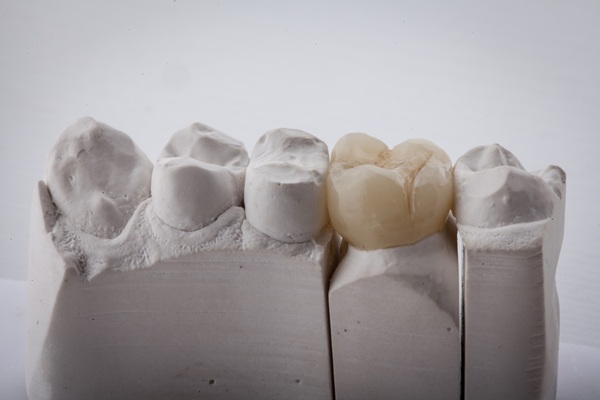
Dental inlays provide an effective solution for restoring damaged teeth while preserving as much natural structure as possible. Unlike traditional fillings, dental inlays offer enhanced durability and precise fit, making them ideal for moderate tooth decay or damage. Dental inlays are a reliable intermediate option when a tooth requires more than a standard filling but does not need a full crown. Understanding when an inlay is the best choice can help patients achieve long-lasting dental restoration.
What are dental inlays?
Dental inlays are custom-made restorations designed to fit into the grooves of a tooth’s chewing surface without covering the cusps. They are typically crafted from porcelain, composite resin, or gold to provide a stronger and more aesthetically pleasing alternative to traditional fillings. Unlike direct fillings, which are applied in a soft state and hardened in the mouth, inlays are fabricated in a dental laboratory before bonding to the tooth.
This precision ensures a tight seal, reducing the risk of further decay and providing a restoration that seamlessly blends with the natural tooth. Dental inlays are often used when a cavity or fracture is too extensive for a filling but do not require the full coverage of a dental crown.
When is a dental inlay the best option?
When a tooth has moderate decay
Teeth with decay that extend beyond what a traditional filling can effectively restore may benefit from an inlay. Because inlays match the exact shape of the cavity, they provide a more secure and durable solution than standard fillings. This makes them particularly effective for molars, which endure significant chewing pressure.
When a filling is insufficient, but a crown is unnecessary
Inlays serve as an excellent middle-ground option when damage is too extensive for a simple filling but do not justify the removal of additional tooth structure for a crown. Crowns require more tooth reduction, whereas inlays allow for greater preservation of healthy enamel while still reinforcing the damaged area.
When strength and longevity are priorities
Patients seeking a long-lasting restoration often find that inlays are more durable than traditional fillings. Inlays are high-strength material that resists wear and fracture better than composite fillings, especially in areas subject to heavy chewing forces. Their precision fit also reduces the risk of bacterial leakage, which helps prevent future decay.
Advantages of choosing a dental inlay
Dental inlays offer several advantages over traditional fillings, making them a preferred choice for moderate tooth damage. They are stronger and more durable, especially when made from high-quality materials like porcelain or gold, providing long-lasting protection against wear and fracture. Their custom fabrication ensures a precise fit and seal, reducing the risk of future decay by preventing bacteria from entering the restored area. Unlike dental crowns, inlays are a more conservative option, as they preserve more of the natural tooth structure while still reinforcing weakened areas. Additionally, tooth-colored inlays blend seamlessly with natural teeth, enhancing the smile’s appearance while maintaining functionality.
Discuss dental inlay options
Dental inlays are an excellent restorative option for moderate tooth decay or damage, offering durability, precision, and aesthetic benefits. By preserving more of the natural tooth while providing a strong and lasting solution, inlays help maintain long-term oral health. Consulting with a dental professional can determine whether an inlay is best for a patient’s specific dental needs. For more information, schedule a consultation visit today at The Wilhelm Dental Group.
To schedule a consultation, request an appointment on our website at https://www.dentistlaplatamd.com or call The Wilhelm Dental Group at (240) 622-3547 for an appointment in our La Plata office.
Check out what others are saying about our services on Yelp: Read our Yelp reviews.
Related Posts
When individuals experience multiple dental issues at once, they may be candidates for full mouth reconstruction. This process can involve multiple procedures to address oral health issues while rebuilding the function and appearance of one's teeth. A general dentist provides this extensive process to rebuild and restore all of the teeth in both the upper…
A kid friendly dentist can spot signs that a thumb-sucking habit may affect a young child’s teeth or bite. For many babies and toddlers, sucking their thumb provides comfort and can be a natural way to settle them down. However, thumb sucking that continues for several years may affect their tooth alignment, bite, or the…
A tooth extraction helps protect oral health, but complications can happen. If severe pain starts a few days after the procedure, a dry socket is typically the primary cause. You need to know what signs to watch for so you can call a dentist before the discomfort becomes unbearable. Early action keeps your recovery on…
Periodontics care is specialized dental care for treating and preventing periodontal disease from reappearing. Scaling and root planing may be performed on patients with periodontal disease to eliminate bacterial plaque and other toxins. Gum disease-causing bacteria can reappear three to four months after initial treatment. As a result, the dentist will recommend coming for cleanings…